

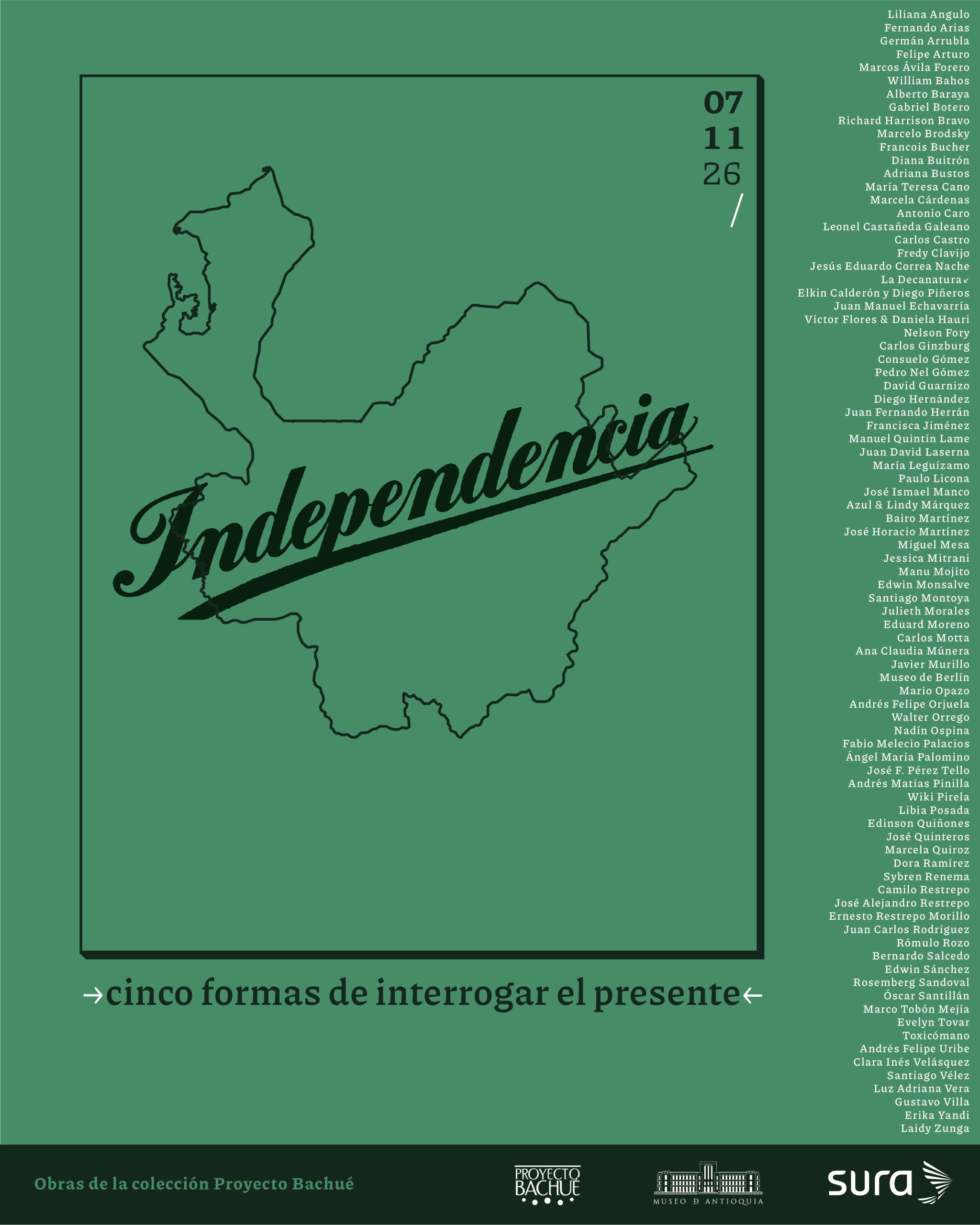
En el entendido de que toda discusión sobre lo cultural debe ser, ante todo, multilateral y diversa, esta exposición propone una mirada particular sobre el arte contemporáneo a partir de una selección de obras de la colección Proyecto Bachué (José Darío Gutiérrez y María Victoria Turbay). Se trata de una propuesta que parte de la experiencia autobiográfica de un coleccionista antioqueño, de sus primeros años vividos entre una práctica ancestral de recoger, conservar y dar valor a lo propio —distinguiéndolo de aquello que pertenece simplemente al ámbito de lo popular— y el furor y orgullo que acompañaron la idea de una Antioquia Federal.
Haber dejado tempranamente y a disgusto el lugar de origen no significó romper con él. Por el contrario, la distancia convirtió el arraigo en una forma de interrogación y abrió la posibilidad de construir y consolidar una posición crítica frente a lo endogámico. Esa posición, ejercida durante años desde la apreciación, la selección y la colección de artes visuales, constituye el punto de partida de este proyecto. No se trata de reivindicar una mirada aislada, sino de proponer una perspectiva lateral, complementaria y deliberadamente situada, entendiendo la práctica de coleccionar como una forma de pensamiento y como una disciplina capaz de contribuir a la formación ética que necesitamos para avanzar como habitantes y ciudadanos de una región y, sobre todo, de un país que continúa siendo inabarcable.
En este sentido, el título Independencia alude tanto a una condición histórica como a una actitud frente al conocimiento, la cultura y las formas de representación. La independencia no se entiende únicamente como el acontecimiento fundacional que separó políticamente a Colombia de España, sino como una pregunta todavía vigente acerca de nuestra capacidad para construir una mirada propia, reconocer la diversidad de nuestras experiencias y establecer relaciones críticas con aquello que se presenta como hegemónico o universal. El título señala, por tanto, una posición: la voluntad de mirar desde otro lugar, de establecer conexiones laterales y de introducir una perspectiva complementaria frente a colecciones construidas bajo una vocación institucional o universalista.
Es desde esta perspectiva que la selección propone cinco ejes de reflexión que atraviesan distintas generaciones y lenguajes del arte contemporáneo. No se trata de organizar las obras según períodos, tendencias o categorías formales, sino de establecer entre ellas relaciones capaces de interrogar una realidad compleja en la que lo íntimo y lo colectivo, el cuerpo y el territorio, la memoria y la violencia, la identidad y la historia se encuentran y se interpelan mutuamente.
Los cinco ejes no constituyen compartimentos cerrados. Por el contrario, se superponen y se contaminan, permitiendo comprender cómo las promesas históricas de libertad e independencia continúan interrogando nuestro presente; cómo esas promesas son experimentadas desde lugares de enunciación particulares; cómo el territorio y sus circunstancias ambientales condicionan nuestra existencia; cómo las fracturas políticas y sociales se expresan en la violencia; y cómo la defensa de la individualidad y el reconocimiento de las diferencias son condiciones indispensables para una convivencia verdadera.
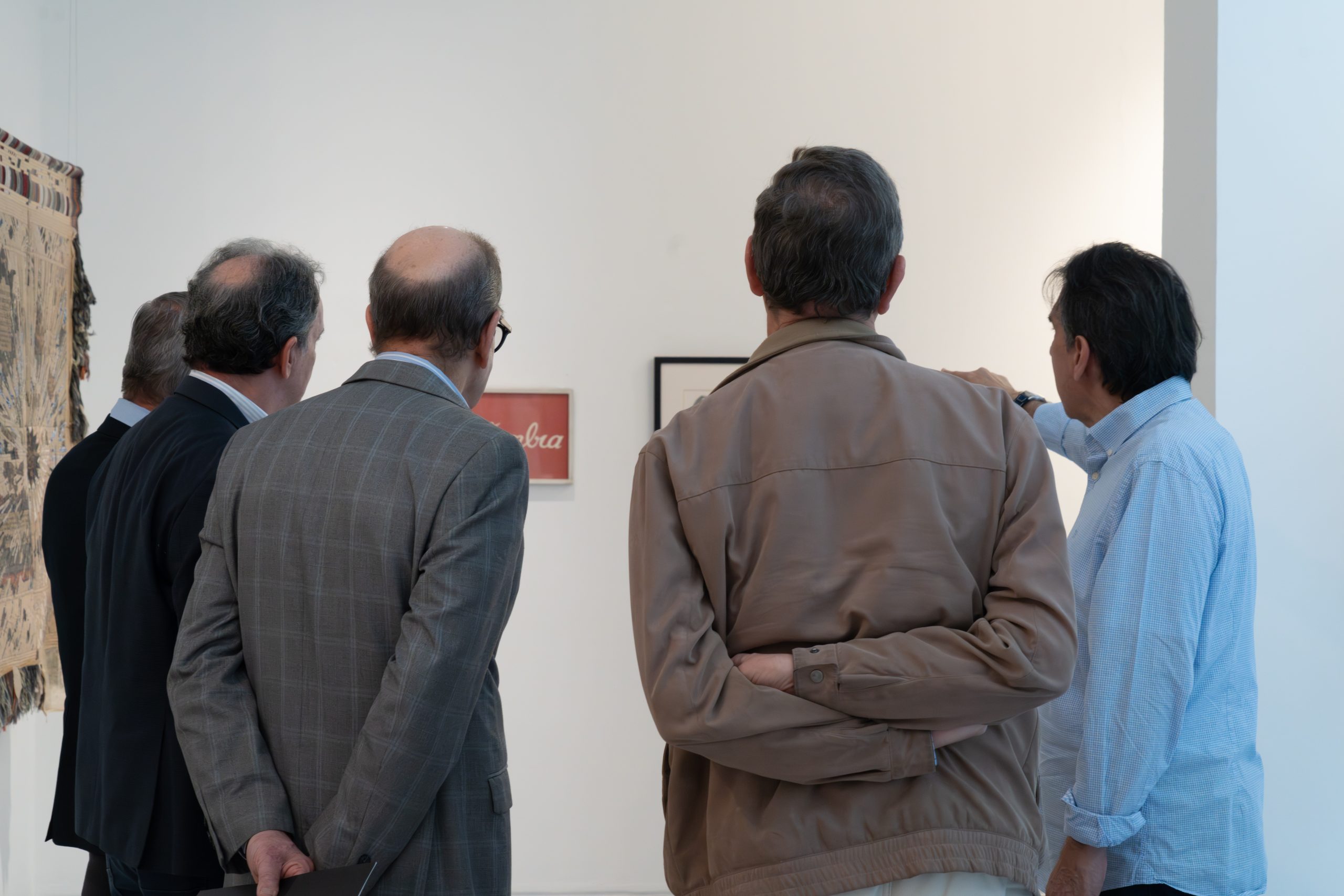
La exposición no propone, sin embargo, una lectura única ni pretende acompañar cada obra de una explicación que determine de antemano su significado. Se ha optado deliberadamente por prescindir de notas y cartelas explicativas para conceder al visitante un espacio de libertad interpretativa. Este texto ofrece un marco de aproximación, pero las obras quedan abiertas a la mirada, la experiencia y el conocimiento de quien las contempla. Se invita así a que cada visitante establezca sus propias relaciones entre las imágenes, los signos, los materiales, los cuerpos, los gestos y las ideas que encuentra en el recorrido, y construya, a partir de ellos, una lectura semiótica propia. El sentido no está dado de antemano: surge también en ese encuentro entre la obra y quien la mira.
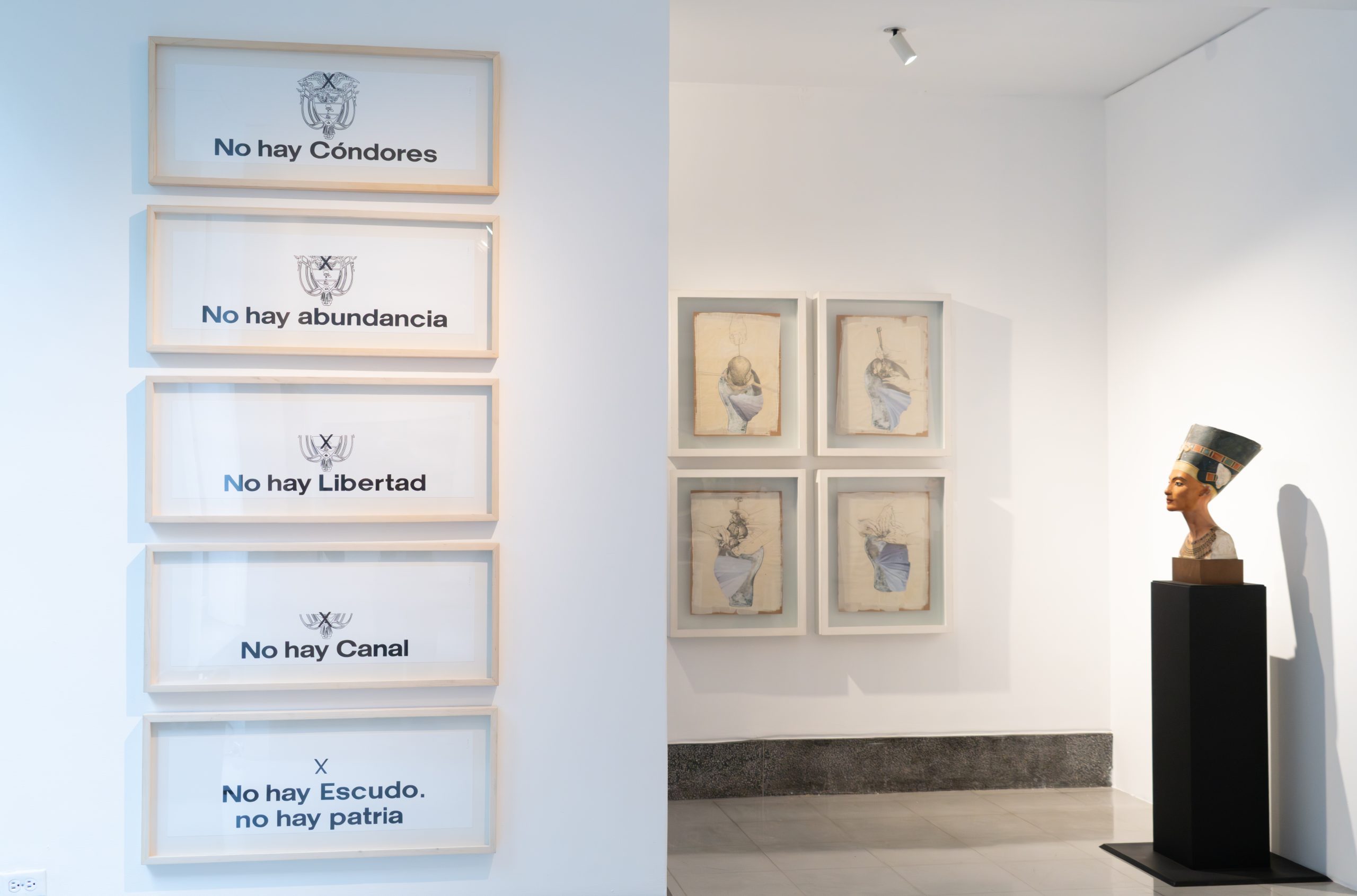
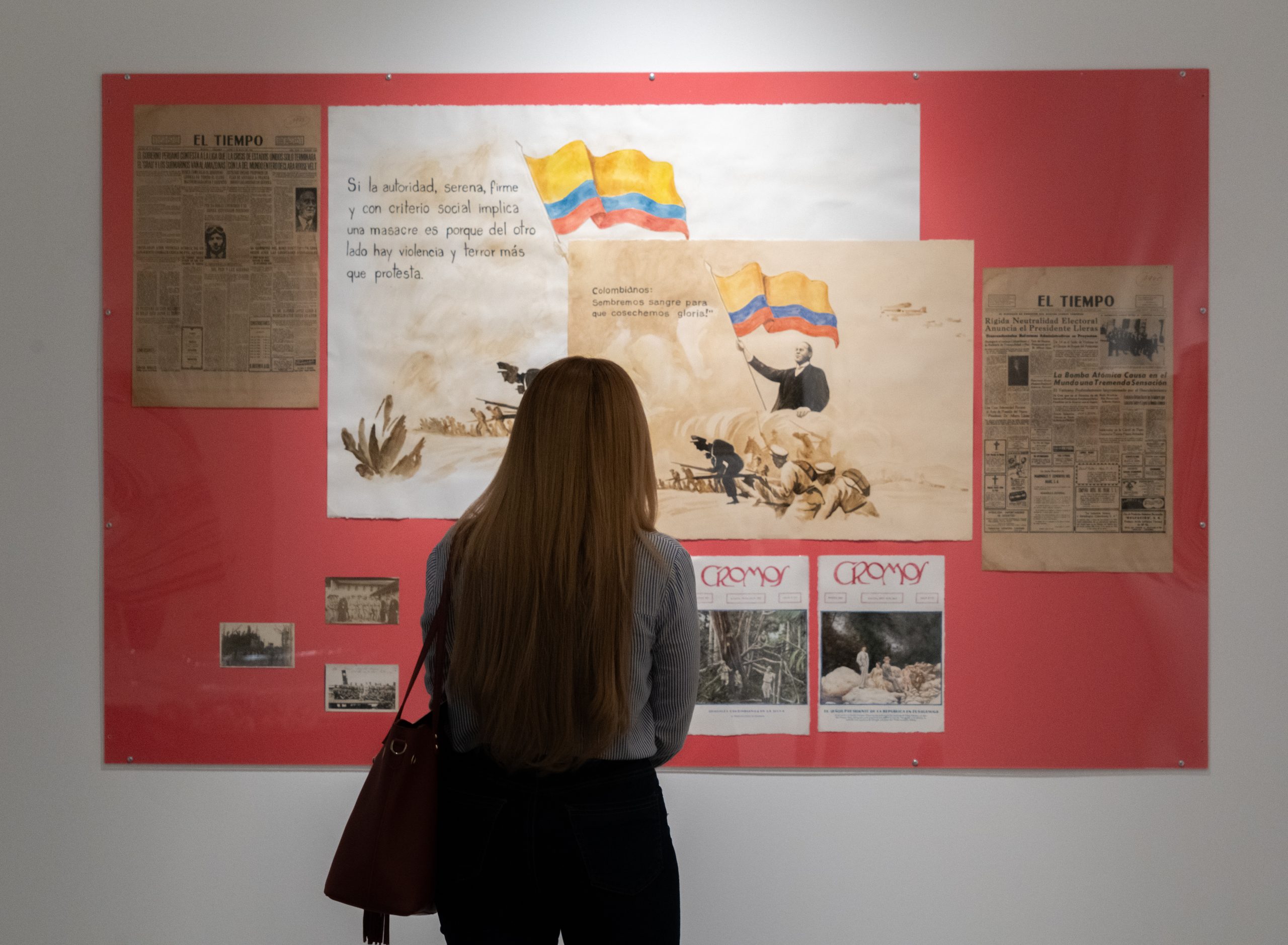
El recorrido parte de una pregunta de carácter histórico: ¿qué ha ocurrido con las promesas de libertad, emancipación e independencia que han acompañado la construcción de nuestra sociedad? Más de dos siglos después de las proclamas fundacionales, persiste la dificultad de convertir esas ideas en condiciones reales de convivencia. La independencia política no necesariamente ha significado la liberación de todas las formas de sometimiento, exclusión o violencia. Este eje propone, por ello, una reflexión sobre una promesa que permanece abierta: la posibilidad de construir una sociedad capaz de reconocerse en sus diferencias, tramitar sus conflictos y encontrar formas duraderas de paz y convivencia.
Toda reflexión sobre el mundo parte de un lugar determinado. Este eje se ocupa de la condición personal, de la intimidad y de la subjetividad como formas de conocimiento y como espacios desde los cuales cada individuo construye su relación con la realidad. El cuerpo, la memoria, la identidad, los afectos y las experiencias particulares adquieren aquí una dimensión política precisamente porque toda mirada está atravesada por una historia, una
circunstancia y una posición. Preguntarse quién habla, desde dónde habla y cuál es su lugar en el mundo implica reconocer que no existe una mirada completamente neutral. Cada experiencia constituye una forma particular de aproximarse a la realidad y, al mismo tiempo, de interrogarla.
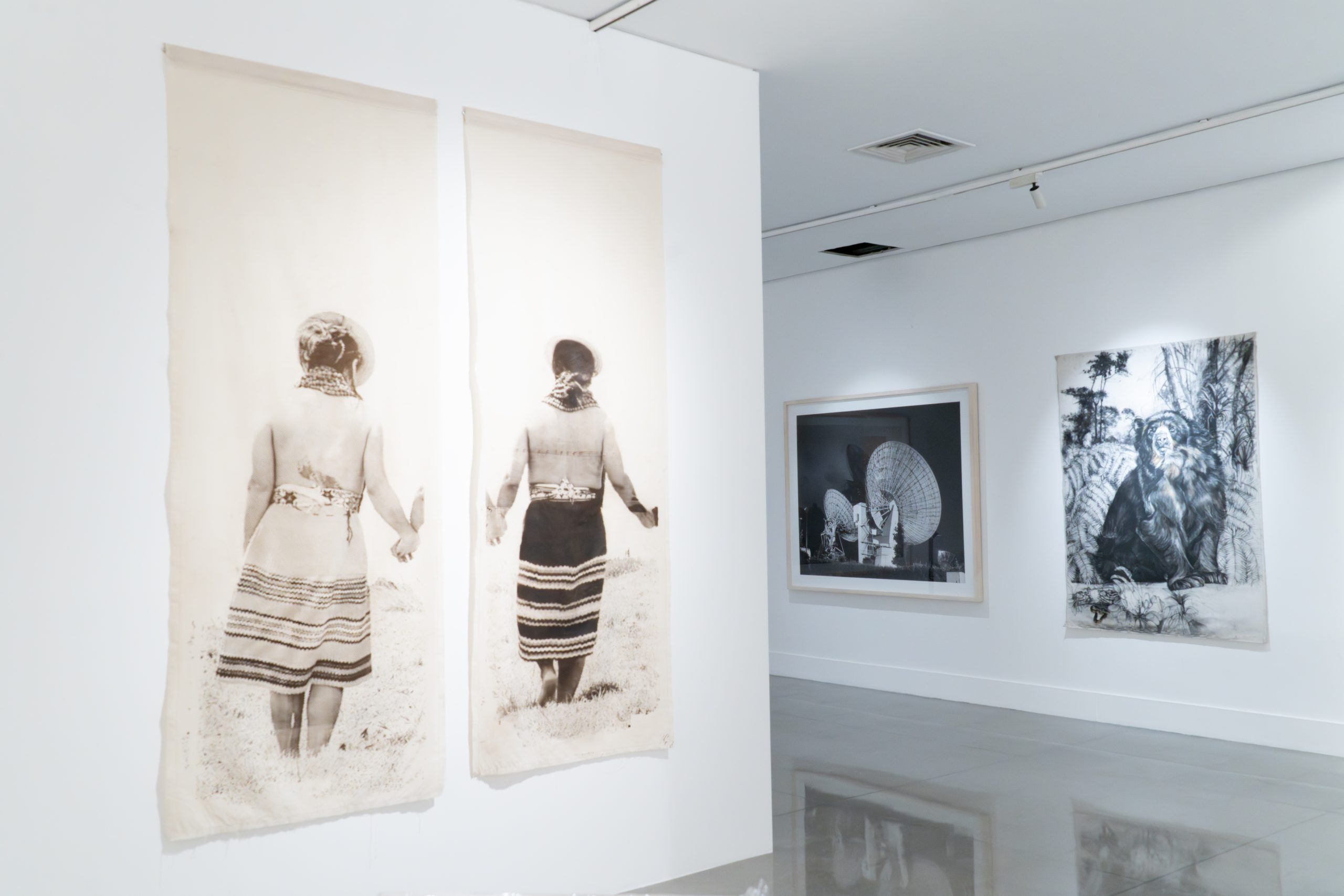
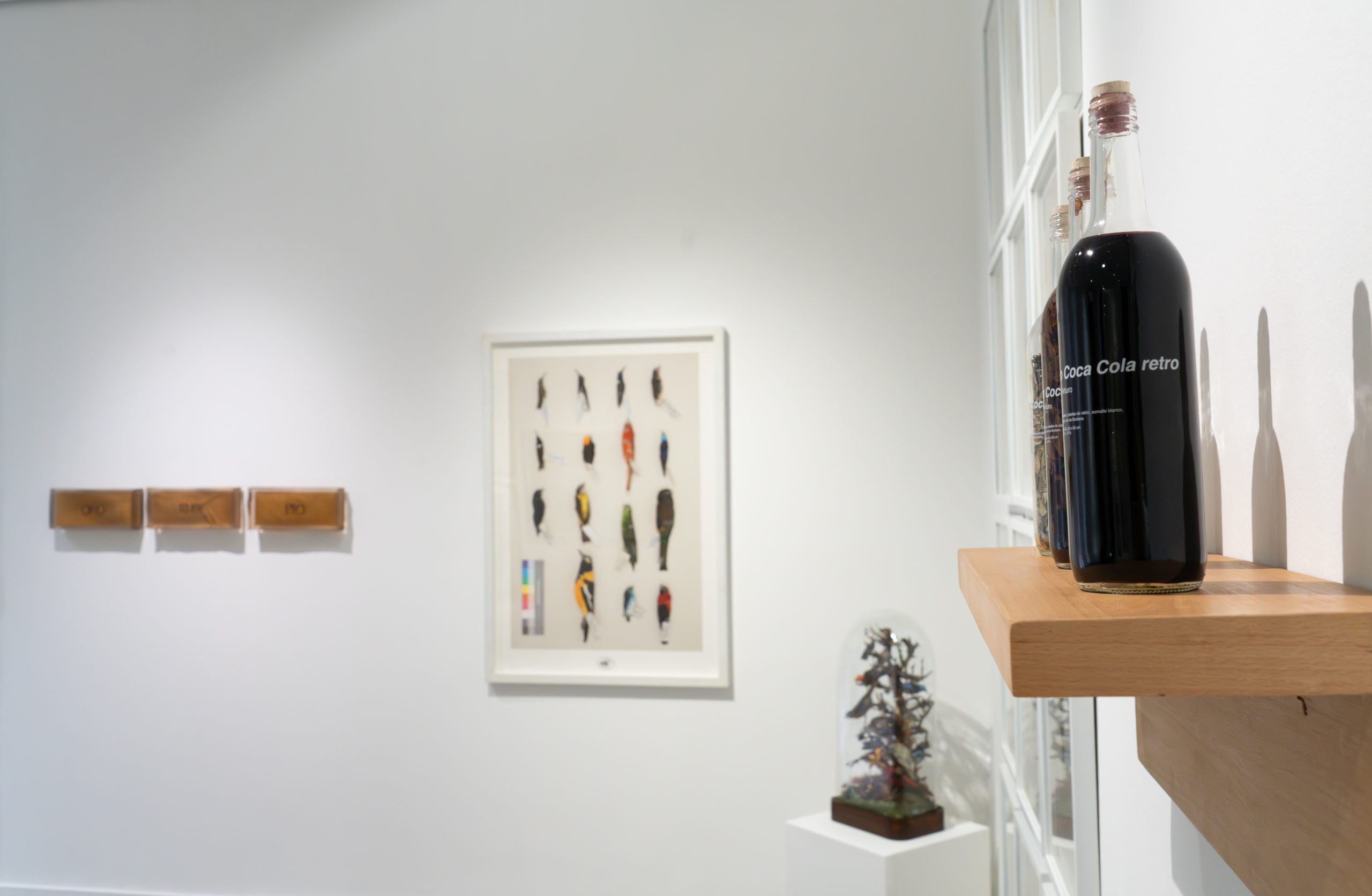
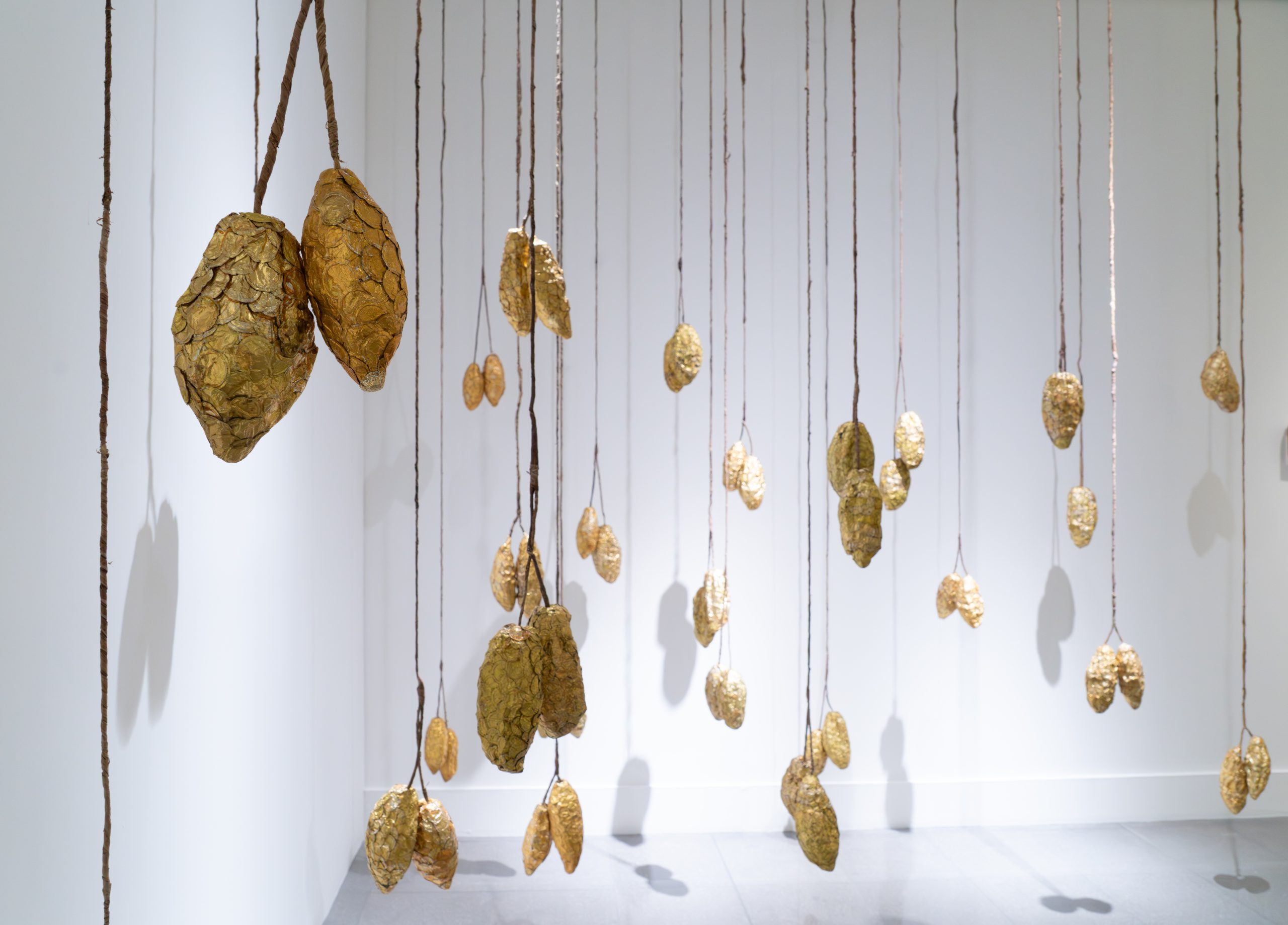
Desde el lugar de enunciación, la mirada se desplaza hacia las condiciones ambientales que rodean y determinan la existencia. El territorio deja de ser un simple escenario para convertirse en un agente que condiciona nuestras formas de vida. Las obras reunidas en este eje abordan la relación entre naturaleza, transformación del paisaje, explotación de los recursos y consecuencias ecológicas. En ellas aparece la tensión entre los procesos de apropiación y dominio del territorio y la persistencia de unas fuerzas naturales que exceden la voluntad humana. La preocupación ambiental adquiere así una dimensión cultural y ética: lo que hacemos sobre el territorio termina también por transformar las condiciones de nuestra propia existencia.
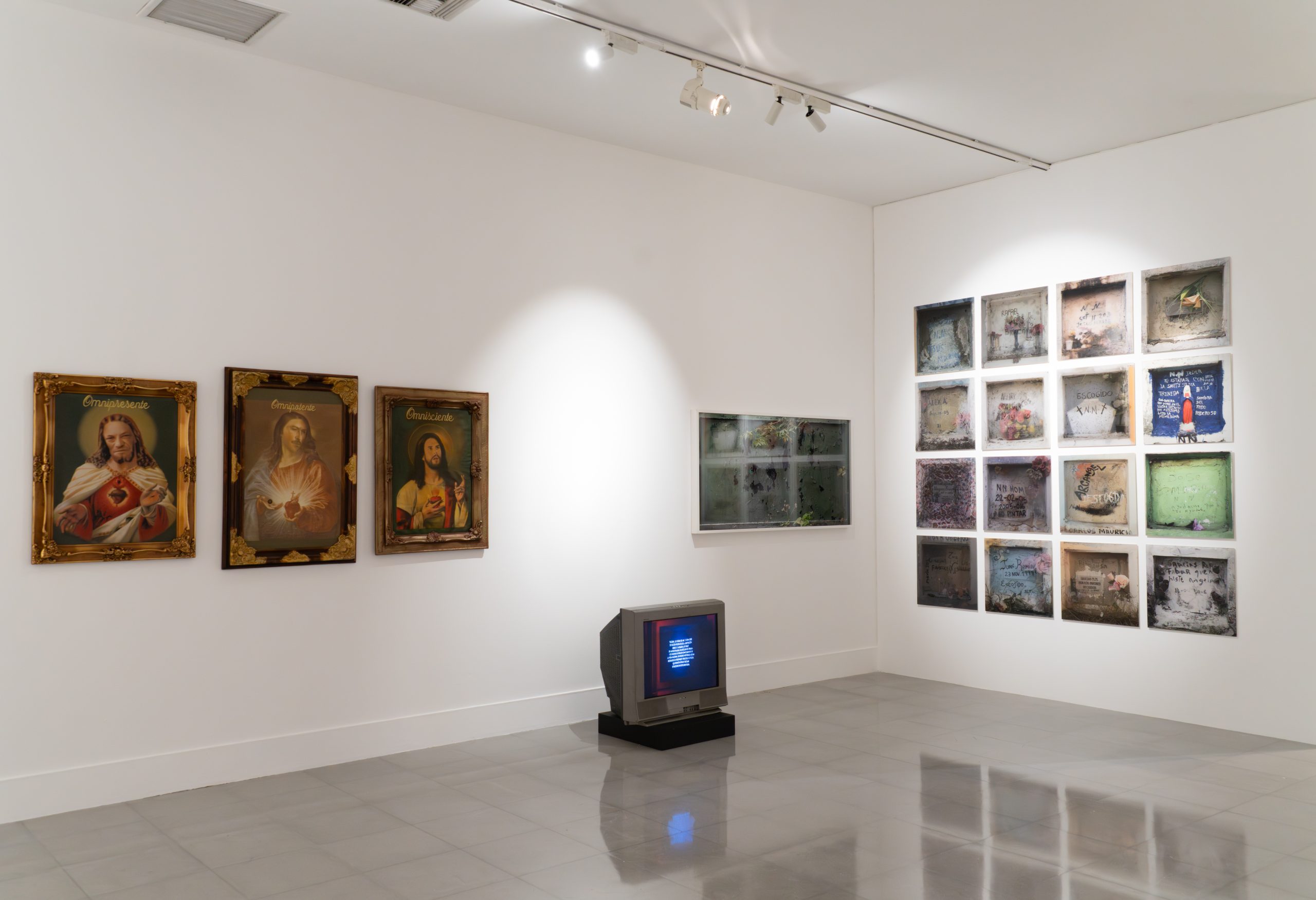
Del territorio se pasa al espacio político y social, entendido como el lugar donde se manifiestan las fracturas de la sociedad colombiana. La violencia, el despojo, la desigualdad, la exclusión y las distintas formas de vulneración de la vida pueden leerse como consecuencias de una promesa nacional que, a lo largo de nuestra historia, no ha logrado cumplirse plenamente. Las ideas de ciudadanía, justicia, igualdad y bienestar han coexistido con realidades que las contradicen. Las obras de este eje no buscan únicamente representar la violencia: interrogan sus causas, sus efectos y su persistencia, y convierten el arte en testimonio, memoria y espacio de resistencia de la conciencia.
El recorrido concluye en la relación con el otro. Frente a las formas históricas de exclusión, este eje plantea la necesidad de reconocer al otro en su singularidad. La inclusión no se entiende aquí como una incorporación meramente formal o institucional, sino como una práctica efectiva de respeto y aceptación de las condiciones íntimas, corporales, afectivas, identitarias y sociales de cada individuo. La sororidad, el reconocimiento de las diferencias y la defensa de la autonomía personal aparecen como formas de construir comunidad sin exigir la desaparición de aquello que nos hace distintos. Estas obras ponen en cuestión los mecanismos mediante los cuales una sociedad determina quién puede ser visible, quién puede hablar y en qué condiciones puede ejercer plenamente su individualidad.
Los cinco ejes trazan, en conjunto, un recorrido que va de la promesa histórica a la relación con el otro: de las ideas de libertad, independencia y convivencia al lugar desde el cual cada individuo enuncia y experimenta el mundo; de allí al territorio que habitamos y transformamos; del territorio a las fracturas políticas y sociales que han marcado nuestra historia; y finalmente al reconocimiento del otro como condición para una convivencia verdaderamente plural.
No se trata de ofrecer respuestas definitivas, sino de hacer visible la persistencia de unas preguntas que el arte contemporáneo ha formulado de múltiples maneras: ¿qué ha ocurrido con nuestras promesas de libertad?, ¿desde dónde miramos y hablamos?, ¿qué hemos hecho con el territorio que habitamos?, ¿qué violencias y exclusiones seguimos reproduciendo?, y ¿qué condiciones necesitamos para reconocernos mutuamente y poder vivir juntos?
En este sentido, Independencia propone una mirada que aspira a ser simultáneamente personal y colectiva, situada y abierta. Una mirada que no pretende oponerse a otras formas de construir una colección, sino complementarlas desde una experiencia particular. Quizás sea precisamente esa condición lateral la que permita que el recorrido produzca la sorpresa, la incomodidad o incluso el desafío que toda mirada verdaderamente independiente debería estar dispuesta a provocar.
La selección de Proyecto Bachué entiende así la obra de arte como un espacio de interrogación: un lugar donde la memoria se hace presente, donde la experiencia individual puede revelar conflictos colectivos y donde las huellas de la historia continúan interpelando nuestra conciencia.
Independencia: Five Ways to Examine the Present
Proyecto Bachué Collection
Recognizing that any discussion of culture must be, above all, multifaceted and diverse, this exhibition offers a unique perspective on contemporary art through a selection of works from the Proyecto Bachué Collection (José Darío Gutiérrez and María Victoria Turbay). This project draws on the autobiographical experience of a collector from Antioquia, spanning his early years—spent navigating the ancestral practice of collecting, preserving, and valuing one’s own heritage (distinguishing it from what belongs simply to the realm of the popular)—and the fervor and pride that accompanied the idea of a Federal Antioquia.
Leaving my place of origin at an early age, and against my will, did not mean severing my ties with it. On the contrary, the distance transformed my sense of belonging into a form of inquiry and opened up the possibility of constructing and consolidating a critical stance toward endogamy. That stance, exercised for years through the appreciation, selection, and collection of visual arts, constitutes the starting point for this project. The aim is not to advocate for an isolated viewpoint, but rather to propose a lateral, complementary, and deliberately situated perspective, understanding the practice of collecting as a form of thought and as a discipline capable of contributing to the ethical formation we need to move forward as residents and citizens of a region and, above all, a country that remains difficult to comprehend.
In this sense, the title Independencia refers both to a historical condition and to an attitude toward knowledge, culture, and forms of representation. Independence is not understood solely as the founding event that politically separated Colombia from Spain, but as a question that remains relevant today regarding our capacity to construct our own perspective, recognize the diversity of our experiences, and establish critical relationships with that which is presented as hegemonic or universal. The title thus signals a stance: the desire to view things from a different vantage point, to establish lateral connections, and to introduce a complementary perspective in contrast to collections constructed with an institutional or universalist agenda.
It is from this perspective that the exhibition proposes five themes for reflection that span different generations and languages of contemporary art. The aim is not to organize the works according to periods, trends, or formal categories, but rather to establish relationships among them that can interrogate a complex reality in which the intimate and the collective, the body and the territory, memory and violence, identity and history intersect and challenge one another.
The five themes are not rigidly defined categories. On the contrary, they overlap and influence one another, allowing us to understand how the historical promises of freedom and independence continue to challenge our present; how those promises are experienced from particular points of view; how territory and its environmental circumstances shape our existence; how political and social divisions manifest as violence; and how the defense of individuality and the recognition of differences are indispensable conditions for true coexistence.
The exhibition does not propose a single interpretation nor does it seek to accompany each work with an explanation that predetermines its meaning. A deliberate choice has been made to forgo explanatory notes and labels in order to grant visitors the freedom to interpret the works as they see fit. This text offers a framework for approaching the works, but the works themselves remain open to the viewer’s gaze, experience, and knowledge. Each visitor is thus invited to establish their own connections between the images, signs, materials, bodies, gestures, and ideas they encounter along the way, and to construct, based on these, their own semiotic interpretation. Meaning is not predetermined; it also emerges from the encounter between the artwork and the viewer.
This exploration begins with a historical question: What has become of the promises of freedom, emancipation, and independence that have accompanied the building of our society? More than two centuries after the founding proclamations, the challenge of transforming those ideas into real conditions for coexistence persists. Political independence has not necessarily meant liberation from all forms of subjugation, exclusion, or violence. This theme therefore invites reflection on a promise that remains unfulfilled: the possibility of building a society capable of recognizing its differences, resolving its conflicts, and finding lasting forms of peace and coexistence.
All reflection on the world begins from a specific place. This section addresses personal condition, intimacy, and subjectivity as forms of knowledge and as spaces from which each individual constructs their relationship with reality. The body, memory, identity, emotions, and particular experiences take on a political dimension here precisely because every perspective is shaped by a history, a circumstance, and a position. Asking who is speaking, from where they are speaking, and what their place in the world is implies recognizing that there is no such thing as a completely neutral perspective. Each experience constitutes a particular way of approaching reality and, at the same time, of questioning it.
From the point of enunciation, the gaze shifts toward the environmental conditions that surround and determine existence. Territory ceases to be a mere backdrop and becomes an agent that shapes our ways of life. The works brought together in this section explore the relationship between nature, landscape transformation, resource exploitation, and ecological consequences. They reveal the tension between the processes of appropriation and domination of the territory and the persistence of natural forces that transcend human will. Environmental concern thus takes on a cultural and ethical dimension: what we do to the territory ultimately transforms the conditions of our own existence as well.
From the territory, we move to the political and social sphere, understood as the arena where the fractures in Colombian society manifest themselves. Violence, dispossession, inequality, exclusion, and the various forms of violation of life can be interpreted as consequences of a national promise that, throughout our history, has not been fully fulfilled. The ideas of citizenship, justice, equality, and well-being have coexisted with realities that contradict them. The works in this section do not seek merely to depict violence: they examine its causes, its effects, and its persistence, transforming art into testimony, memory, and a space for the resistance of conscience.
The journey culminates in our relationship with the other. In contrast to historical forms of exclusion, this theme highlights the need to recognize the other in their uniqueness. Inclusion is not understood here as a merely formal or institutional incorporation, but rather as an effective practice of respect and acceptance of each individual’s intimate, physical, emotional, identity-related, and social circumstances. Sisterhood, the recognition of differences, and the defense of personal autonomy emerge as ways to build community without demanding the erasure of what makes us different. These works challenge the mechanisms through which a society determines who can be visible, who can speak, and under what conditions one can fully exercise one’s individuality.
Taken together, these five themes trace a path that extends from historical promise to our relationship with the other: from the ideas of freedom, independence, and coexistence to the vantage point from which each individual articulates and experiences the world; from there to the territory we inhabit and transform; from the territory to the political and social divisions that have shaped our history; and finally to the recognition of the other as a prerequisite for truly pluralistic coexistence.
The aim is not to offer definitive answers, but rather to highlight the persistence of certain questions that contemporary art has posed in many different ways: What has become of our promises of freedom? From what perspective do we observe and speak? What have we done with the territory we inhabit? What forms of violence and exclusion do we continue to perpetuate? And what conditions do we need in order to recognize one another and live together?
In this sense, Independencia proposes a perspective that aims to be simultaneously personal and collective, situated and open. A perspective that does not seek to oppose other ways of building a collection, but rather to complement them from a particular experience. Perhaps it is precisely this lateral perspective that allows the exhibition to evoke surprise, discomfort, or even the challenge that any truly independent perspective should be willing to provoke.
The Proyecto Bachué selection thus views the work of art as a space for inquiry: a place where memory becomes present, where individual experience can reveal collective conflicts, and where the traces of history continue to challenge our conscience.